Mold Restoration in Dallas, TX
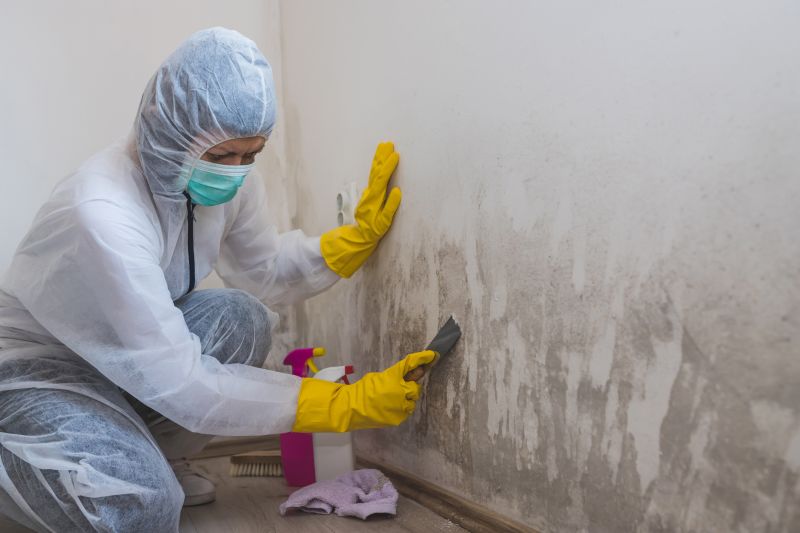
Mold restoration services focus on identifying and removing mold growth caused by excess moisture or water damage within a property. These projects typically involve assessing affected areas, containing contamination to prevent spread, and thoroughly cleaning or removing mold-infested materials such as drywall, insulation, or carpeting. Property owners often seek this service after discovering visible mold, experiencing musty odors, or noticing health-related symptoms related to mold exposure. Proper restoration helps improve indoor air quality and prevents further damage to the property’s structure.
Before requesting mold restoration, homeowners should understand the extent of the mold growth, the types of materials affected, and the underlying moisture issues contributing to mold development. It’s important to consider whether visible mold is localized or widespread, as this impacts the scope of work needed. Additionally, property owners typically want to know about the procedures involved in mold removal, the safety measures taken during the process, and how to address the source of moisture to prevent future growth. Clear communication about these aspects can help ensure the restoration process aligns with the property’s needs.
Many property owners in Dallas, TX look into Mold Restoration for repairs, replacements, upgrades, and appearance-related improvements.
Mold Damage Prevention
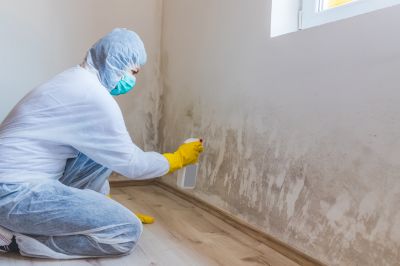
Effective removal of mold growth helps protect your property from structural damage and health risks.
Restoration After Mold Removal
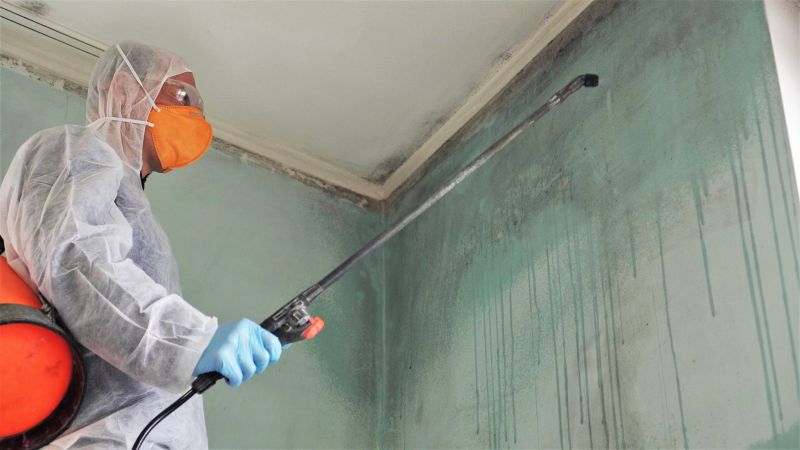
Restoring affected areas ensures your home remains safe, clean, and comfortable after mold issues are addressed.
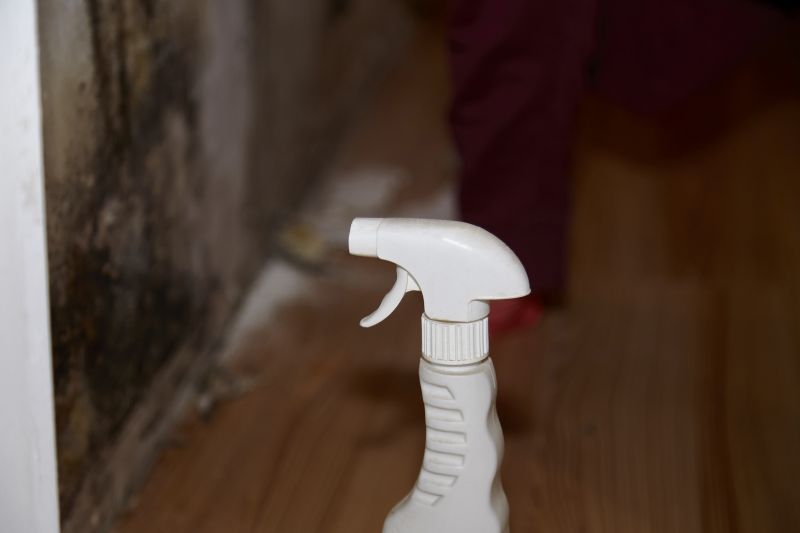
Mold Inspection Services
Comprehensive inspections identify hidden mold sources to prevent future growth in dallas-area homes and businesses.
Mold Restoration in Dallas, TX
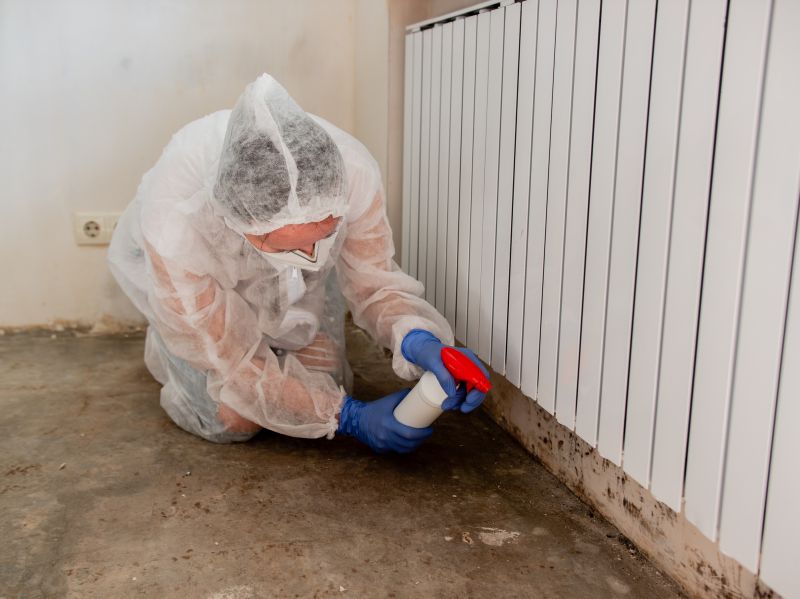
Mold restoration services focus on identifying and removing mold growth caused by excess moisture or water damage within a property. These projects typically involve assessing affected areas, containing contamination to prevent spread, and thoroughly cleaning or removing mold-infested materials such as drywall, insulation, or carpeting. Property owners often seek this service after discovering visible mold, experiencing musty odors, or noticing health-related symptoms related to mold exposure. Proper restoration helps improve indoor air quality and prevents further damage to the property’s structure.
Before requesting mold restoration, homeowners should understand the extent of the mold growth, the types of materials affected, and the underlying moisture issues contributing to mold development. It’s important to consider whether visible mold is localized or widespread, as this impacts the scope of work needed. Additionally, property owners typically want to know about the procedures involved in mold removal, the safety measures taken during the process, and how to address the source of moisture to prevent future growth. Clear communication about these aspects can help ensure the restoration process aligns with the property’s needs.
Many property owners in Dallas, TX look into Mold Restoration for repairs, replacements, upgrades, and appearance-related improvements.
Common Mold Restoration Jobs
Mold remediation - removal of mold growth from affected areas to improve indoor air quality.
Bathroom mold cleanup - addressing mold caused by humidity and moisture in bathrooms.
Basement mold restoration - eliminating mold from damp basement environments.
Attic mold removal - treating mold growth in attic spaces due to poor ventilation.
Water damage mold treatment - restoring areas impacted by leaks or flooding to prevent mold development.
Mold prevention services - implementing strategies to reduce future mold growth and moisture issues.
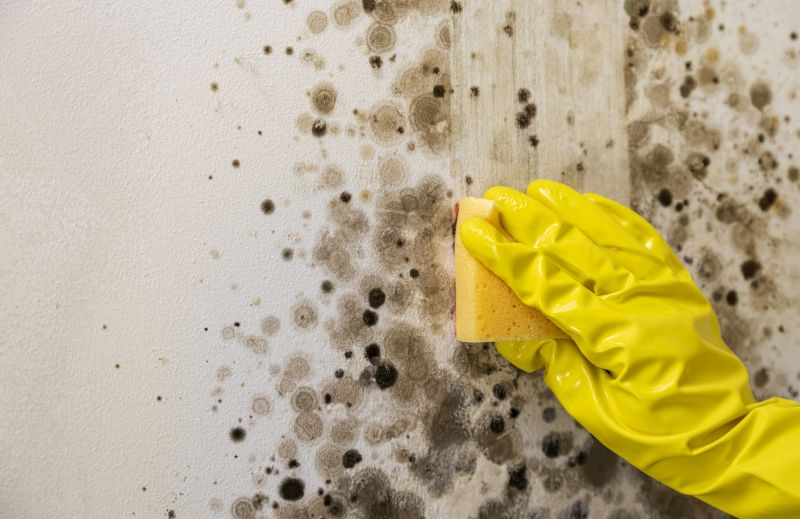
Mold Restoration Questions
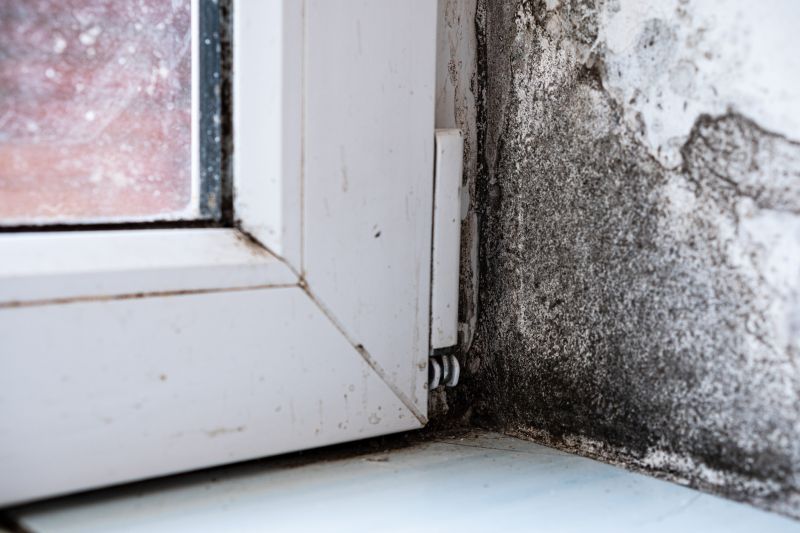
What causes mold to grow indoors? Mold can develop in areas with excess moisture, such as leaks, high humidity, or poor ventilation, providing a suitable environment for growth.
How can I tell if I have a mold problem? Signs include visible mold spots, a musty odor, or increased allergy symptoms in the home.
What surfaces are typically affected by mold? Mold often grows on walls, ceilings, carpets, and areas around plumbing or water damage.
What is involved in mold restoration? The process includes identifying affected areas, removing mold, cleaning surfaces, and addressing moisture sources to prevent future growth.
Request Mold Restoration in Dallas, TX
Use the quote form on this page to share the basics of your project and request more information for the type of work you need.